
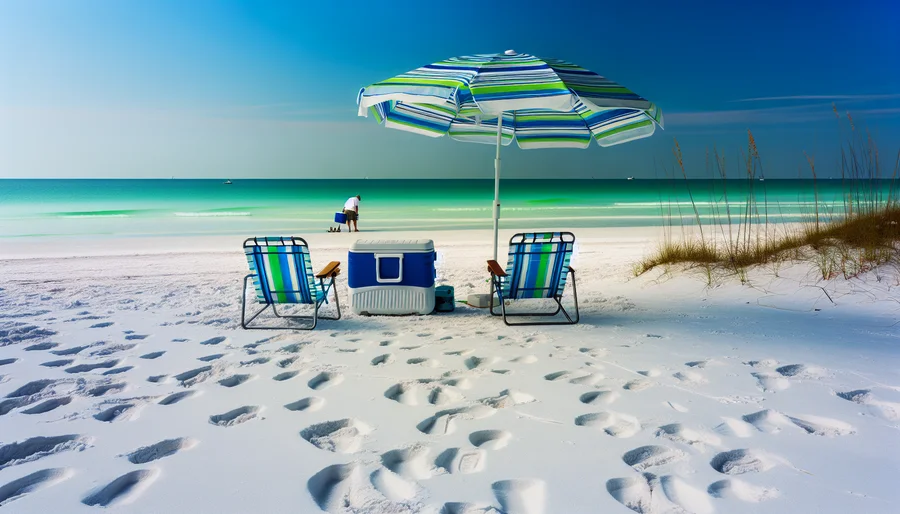
This longboat key shelling guide begins with a useful local truth. Longboat Key rewards quiet, patient beach walks more than quick bucket-filling trips. Its Gulf shoreline has pale sand, light wrack lines, and relatively few public entry points. On a good morning, you may find cockles, scallops, coquinas, olives, augers, fighting conchs, and lightning whelk fragments.
Longboat Key spans Sarasota and Manatee counties between New Pass and Longboat Pass. Tides, wind, storms, and beach renourishment constantly change shelling conditions. A bare stretch may produce a fresh shell line the following week. Go early, travel light, and enjoy the walk even when intact shells remain scarce.
Longboat Key Shelling Guide: A Quick Plan
First-time visitors should choose a marked public beach access near the middle of the island. Mid-key beaches offer easy walking and less exposure to pass currents and boat traffic. Arrive shortly after daylight or near a morning low tide. Then follow the newest wrack line instead of walking straight into the water.
Look for narrow bands of seaweed, drift seeds, shell fragments, and other light material. Small shells often settle together in these deposits. If the waterline looks empty, check the older high-tide wrack near the dry sand.
Longboat Key has no large municipal Gulf-front parking area like those on some neighboring islands. Town access points along Gulf of Mexico Drive offer only a few designated spaces. Parking at designated accesses is generally free, but signs control each location. Condominium, resort, restaurant, and business lots remain private unless posted otherwise.
- Location: Marked Town of Longboat Key Gulf beach accesses along Gulf of Mexico Drive.
- Best time: Early morning near a low or falling tide, especially after moderate west or northwest winds.
- Useful tip: Walk at least half a mile before judging the shelling conditions.
- Facilities: Most Gulf accesses lack restrooms, showers, concessions, shade, and lifeguards.
Choosing Where to Go Shelling on Longboat Key
The right area depends on your priorities. Mid-key accesses suit visitors who want straightforward walking and calmer conditions. The north end offers a more changeable shoreline, but it requires extra caution. The south end near New Pass also has stronger water movement and regular boat traffic.
Always enter through a clearly marked public access. Longboat Key’s Gulf side contains many private properties. A sandy path between buildings does not necessarily lead to public beach access.
Mid-Key Public Beach Accesses
Mid-key Gulf beaches feel residential and usually remain quieter than full-service public beaches. Several marked town accesses sit along Gulf of Mexico Drive. Some offer little or no parking, and drivers can easily miss them. Check the town’s current beach access information before leaving.
Once you reach the sand, choose a direction and walk slowly. Give the beach at least half a mile before moving to another access. Shell deposits often concentrate in small pockets. An empty section can give way to a productive wrack line within a few minutes.
Bayfront Park provides a useful mid-island landmark, but it sits on Sarasota Bay rather than the Gulf. The park has facilities, while most Gulf accesses do not. Use a restroom before starting your beach walk. Do not use park, church, restaurant, or private parking as beach overflow unless signs allow it.
Gulf of Mexico Drive carries steady traffic. Use a marked crossing where available and avoid stepping between moving vehicles. Cyclists also use the roadside corridor, so check both directions before crossing.
Broadway Street and the North End
The public access near Broadway Street leads to the northern Gulf shoreline. Experienced walkers sometimes continue toward Greer Island at the Longboat Pass end of the key. Many people call this area Beer Can Island. Expect no lifeguard, restroom, shower, rental stand, or dependable shade.
Erosion, storms, dredging, and construction can reshape the north tip. These changes may affect both access and walking conditions. Check current Town of Longboat Key notices before planning a trip around this area.
The north end can collect larger shell fragments and drift material moving through the pass. However, it does not suit small children or weak swimmers. Longboat Pass has deep channels, boat traffic, and strong currents. Calm-looking water can still move quickly near the pass.
Stay on dry or firmly wet sand and avoid eroded edges. Never wade toward a sandbar based only on its appearance from shore. Parking near Broadway Street is scarce, especially during winter and spring.
How Tides, Wind, and Weather Affect Shelling
Low tide exposes more sand, but tide height alone does not guarantee shells. A falling tide can reveal fresh deposits as the water retreats. Check a local tide table and note that predicted times may vary by location.
Moderate onshore winds can push shells and other material toward the beach. In contrast, prolonged offshore wind may leave the visible shoreline unusually clean. West and northwest winds often help, but wave strength and duration also matter.
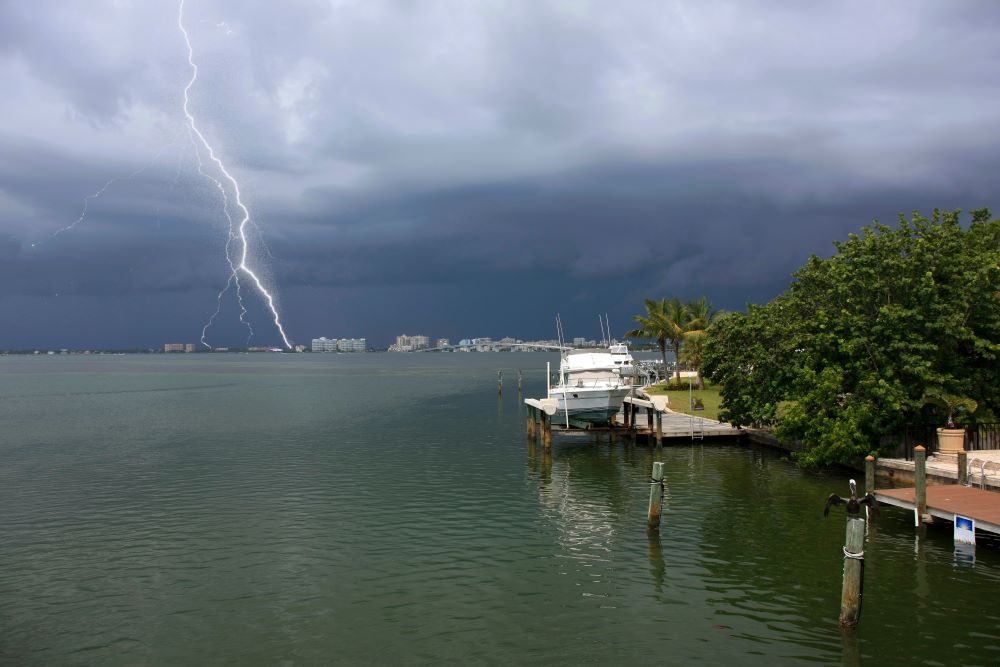
Storms can create productive shell lines after the Gulf settles. Wait until rough surf and lightning threats have passed. Never enter dangerous water to reach fresh shells.
Winter and early spring bring comfortable walking temperatures. They also bring seasonal traffic and more competition for limited parking. Summer mornings can feel quiet, but heat builds quickly. Afternoon thunderstorms occur often during the warmer months.
Atlantic hurricane season runs from June 1 through November 30. Plan around current forecasts rather than average seasonal conditions. Water quality also changes, including during red tide events. Check local beach conditions and respiratory advisories before driving to the island.
Shells You May Find on Longboat Key
Longboat Key usually produces small and medium Gulf shells. Do not expect the dense shell beds found at specialized shelling destinations farther south. Common finds include Atlantic giant cockles, smaller cockles, calico scallops, coquinas, turkey wings, slippers, augers, lettered olives, and Florida fighting conchs.
Lightning whelk fragments appear more often than large, flawless specimens. Still, shifting weather occasionally brings an intact shell ashore. Freshly uncovered shells near wet sand often retain more color than sun-bleached shells above the tide line.
Sand dollars sometimes wash up, though intact empty tests remain less common than broken pieces. Handle them carefully because they crack easily. Longboat Key also has a weaker shark-tooth reputation than Venice, Florida. Identify unusual finds before assuming they are rare.
How to Check Whether a Shell Is Occupied
Turn each shell over and look deep inside before placing it in a bag. Watch for a closed operculum, visible claw, soft tissue, or movement. Unusual weight can also indicate a living snail or hermit crab.
Never pull an animal from its shell. Some occupants remain still when handled, so lack of movement does not prove that a shell is empty. Return occupied shells gently to the same wet area where you found them. Do not throw them into deep water.
Live sand dollars usually look darker and feel fuzzy because tiny moving spines cover them. They may also leave faint tracks in shallow sand. Empty tests look bleached, smooth, and lightweight, with no moving spines.
Florida regulations govern the collection of marine life. Taking shells with living organisms may involve saltwater licensing rules and species restrictions. Keep only clearly empty shells and leave live animals in place.
A Practical Shelling Method
Scan parallel to the shoreline instead of staring straight down. Curves, shine, and repeating shell patterns become easier to spot several yards ahead. Walk one side of the wrack line on your way out. Search the other side on your return.
Seaweed can hide shells from one viewing angle. Move only loose surface material with your fingers or a small hand scoop. Avoid deep holes, dune vegetation, and marked nesting areas.
A small mesh bag or reusable container provides enough storage for most outings. Bring an old towel for sand and wet hands. Water shoes protect against sharp fragments, while polarized sunglasses reduce glare near the water.
Beginners rarely need long-handled scoops or sifters on these sandy beaches. Such tools can encourage unsafe wading without improving results. Bring drinking water, sun protection, and a phone in a waterproof pouch. Do not assume the access will have services.
Parking, Facilities, and Beach Safety
Limited public access creates the main logistical challenge for Longboat Key shelling. Small lots and roadside spaces serve the Gulf access points. Some entrances have no practical parking at all.
Arrive before midmorning during winter, spring break, and holiday periods. Legal spaces can fill quickly. Follow every posted restriction and keep vehicles off grass, sidewalks, bike lanes, private drives, and condominium property.
Most Gulf accesses offer no restrooms, showers, food, shade structures, or lifeguards. Carry out shells, fishing line, food packaging, and other trash. Use a towel to remove sand instead of counting on a beach shower.
Rip currents can form even when waves look modest. The passes at both ends of Longboat Key require extra caution. If a rip current catches you, stay calm and avoid fighting directly toward shore. Move parallel to the beach when possible and signal for help.
Frequent bending can strain your back and neck. Stand upright regularly, stretch, and drink water. Summer sun becomes intense early in the day. If you hear thunder, leave the beach immediately.
Shelling With Children and Accessibility Needs
Families with young children should choose a mid-key access on a calm morning. An adult should check surf conditions and remain within arm’s reach near the water. The lack of lifeguards, shade, and restrooms makes these beaches less convenient for all-day family visits.
Give children a small bucket and set a collecting limit. This approach encourages careful searching instead of gathering every shell. Avoid pass-end beaches with small children or weak swimmers. Currents and boat traffic create risks that may not look obvious from shore.
Longboat Key rules prohibit ordinary pets on the town’s public beaches. Service animals follow separate rules. Leave pets at suitable accommodations rather than bringing them to a Gulf access.
Accessibility varies among the island’s small entry points. Soft sand, narrow paths, and dune crossovers can create obstacles. Travelers who need a firm route, beach wheelchair, or nearby restroom should contact the town before choosing an access.
Sunset Shelling and Sea Turtle Season
A sunset shell walk offers cooler sand and softer light. Low-angle sunlight can make shell edges easier to see. However, paths and parking areas may look dim after dark, and no lifeguard watches the beach.
Carry a small flashlight for the return trip, but limit its use on open sand. Red light causes less disruption than bright white light. Avoiding unnecessary beach lighting remains the safest choice for wildlife.
Sea turtle nesting season runs from May 1 through October 31. Artificial light can disorient nesting adults and hatchlings. Never aim a flashlight, phone light, or camera flash toward a turtle, nest, or hatchling.
Keep your distance from marked nests, tracks, and any turtles on the beach. Do not leave chairs, bags, or shell buckets in their path. Before leaving, fill holes and flatten sandcastles. These simple steps reduce hazards for turtles and nighttime walkers.
Plan a Productive Longboat Key Shelling Morning
The core advice in this longboat key shelling guide is simple. Arrive early, park legally, and enter through a marked town access. Walk beyond the first cluster of beachgoers and search each wrack line from both directions.
Before leaving home, check tides, wind, weather, water quality, and town access notices. Take extra care if you plan to explore the north end. Keep only a modest number of empty shells. Leave live animals, dune plants, and fragile habitat undisturbed.
If the first stretch looks bare, continue walking or try another legal access. Never cut through private property in search of a better section. Expect a peaceful Gulf walk with a handful of worthwhile finds rather than a guaranteed haul. On Longboat Key, each intact shell rewards patience.











Share This Page