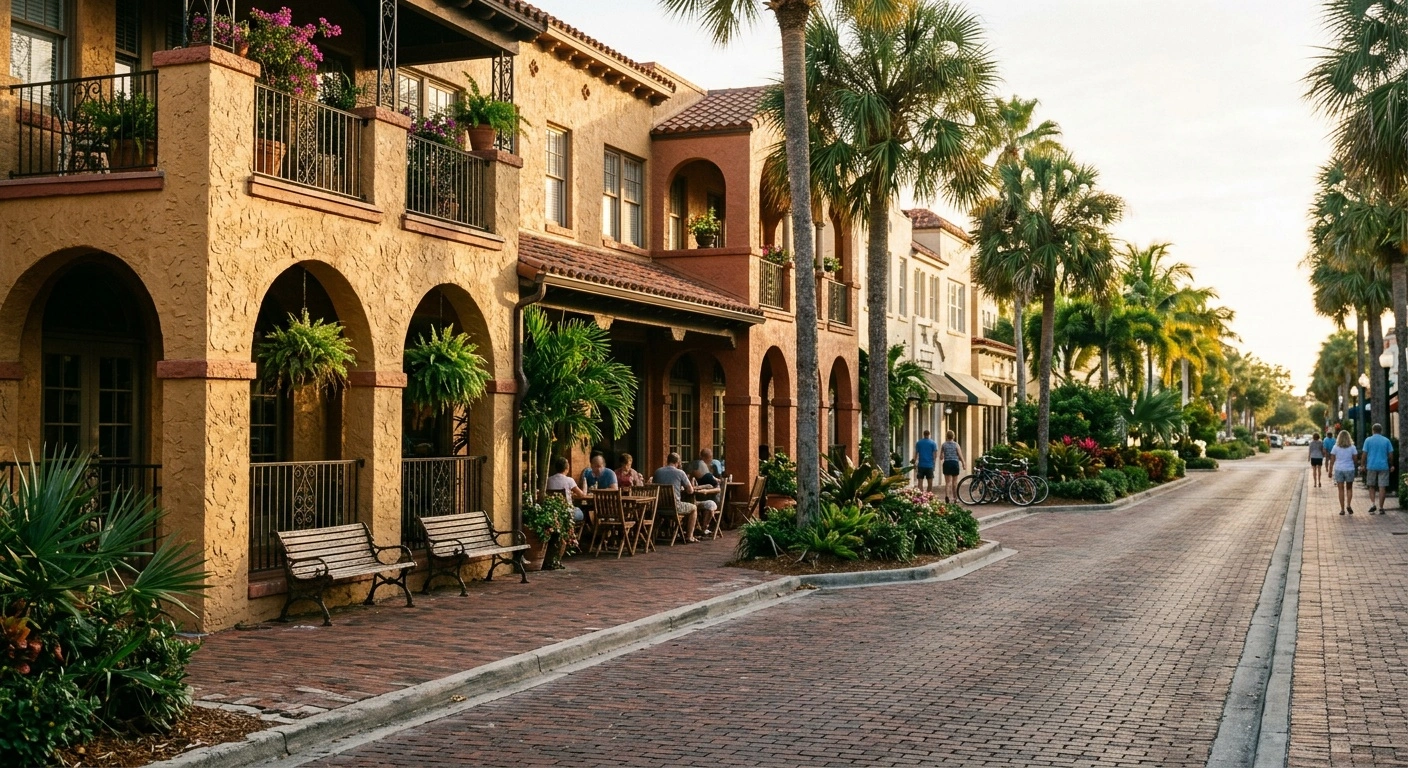
This historic downtown Venice Florida guide follows a compact street grid of palm-lined boulevards, shaded storefronts, cafés, and Mediterranean-influenced buildings. The walkable core sits on Venice Island in Sarasota County. Most activity centers on West Venice Avenue and the parallel blocks of West Miami and West Tampa avenues. Downtown functions as a small-town center, with parks, restaurants, shops, cultural venues, and a post office.
You can see the central district in two hours, but allow four to six hours for a relaxed visit. That leaves time for lunch, shopping, a museum, and the quieter side streets. Parking is generally free, although some spaces have posted time limits. Winter crowds and Saturday market traffic often fill the most convenient blocks first.
Wear comfortable shoes. The route stays flat, but summer heat can make several blocks feel much longer. Park once near Centennial Park and explore on foot instead of moving your car between stops.
Historic Downtown Venice Florida Guide to the Street Layout
West Venice Avenue forms the visual center of downtown. Landscaped medians, mature palms, benches, shops, and restaurants line the broad street. Its western end points toward the Gulf, while the main commercial blocks cluster around Nokomis and Nassau avenues.
West Miami Avenue runs one block south and usually feels quieter. Galleries, restaurants, specialty retailers, and service businesses occupy its closely spaced storefronts. One block north, West Tampa Avenue provides access to Venice Theatre and a less polished part of the district.
Venice developed as a planned community rather than growing around a highway. Planner John Nolen shaped the larger street plan during the city’s early development. Meanwhile, builders used Mediterranean Revival and Northern Italian influences common in 1920s Florida architecture.
Look above the awnings for arched windows, stucco walls, decorative tile, balconies, and varied rooflines. These details work together across several blocks rather than around one landmark. Allow time to wander instead of treating Venice Avenue as a straight route.
- Location: The walkable core occupies Venice Island, mainly between Harbor Drive, Nassau Avenue, and Nokomis Avenue.
- Best time: Arrive between breakfast and late morning for cooler sidewalks and easier parking. Late afternoon also works well before dinner.
- Insider tip: Walk one side of Venice Avenue, then return beneath the opposite arcade. Afterward, loop through Miami and Tampa avenues.
Start at Centennial Park and West Venice Avenue
Centennial Park makes a practical starting point near the middle of the shopping district. The park includes lawns, benches, a gazebo, public restrooms, and an interactive fountain popular with families. It also offers shade and a convenient place for your group to regroup.
Bring spare clothes if your children may use the fountain. A planned five-minute break can quickly turn into a longer stop.
From the park, walk west on Venice Avenue and notice the arcaded sidewalks and landscaped median. Stores sell clothing, jewelry, gifts, home décor, beach accessories, and original art. Prices range from inexpensive souvenirs to boutique pieces, so the street suits browsing better than bargain hunting.
Most sidewalks remain level. However, tree roots, curb cuts, café tables, and busy crossings can create obstacles. Wheelchair users and adults pushing strollers should allow extra time at intersections.
Explore West Miami Avenue at a Quieter Pace
West Miami Avenue feels more like a working downtown than a formal shopping street. Its storefronts are smaller, and traffic often moves at a calmer pace. You can stop at galleries, casual restaurants, salons, and specialty shops without blocking a crowded sidewalk.
Tenants and inventory change, so focus on the overall mix rather than one specific store. Turn onto the cross streets around Nokomis and Nassau avenues. Some businesses place their entrances away from the most visible corners.
You can enjoy this area without spending much. Architecture, landscaping, and gallery browsing cost nothing. For serious shopping, try a weekday morning instead of a winter weekend.
Most stores accept cards, but carry a little cash. It helps with market purchases, small transactions, and occasional payment-system outages.
Look Above the Historic Storefronts
Many of downtown Venice’s historic details sit above eye level. Step back from the windows to see stucco façades, cornices, recessed windows, balconies, and tiled accents. These elements connect buildings that now house very different businesses.
Renovations have changed some structures over time. Downtown still functions as a business district rather than a preserved museum setting. Restaurants, offices, theaters, and stores continue to use buildings designed for an earlier version of the city.
For more context, visit the Venice Museum and Archives inside the historic Triangle Inn near West Blalock Park. Exhibits cover local history, community development, and the people who shaped Venice. The building also deserves a look from outside.
Open days and exhibit access may be limited, so check the current schedule before organizing your walk around the museum. Nearby, the Monty Andrews Arboretum in West Blalock Park provides a shaded garden break. It feels especially useful when the commercial streets become hot or crowded.
Add Venice Theatre and Local Art Stops
Venice Theatre on West Tampa Avenue serves as a major cultural anchor. Its schedule includes plays, musicals, and community productions. The theater also helps keep downtown active after many shops close.
Schedules, available performance spaces, and building access can change. Contact the theater before making a performance the focus of your evening. Ticket prices vary by production, but most shows require more planning than a casual walk-in attraction.
The Venice Art Center sits south of the main shopping blocks. Rotating exhibitions, classes, and events highlight work by local and regional artists. Check the calendar instead of expecting a permanent collection.
A gallery visit can fit into a short stop. Workshops and special programs usually require advance planning and may charge separate fees. Combine the art center with the museum and arboretum for a quieter cultural loop.
Where to Eat During a Downtown Walk
Breakfast, Coffee, and a Quick Lunch
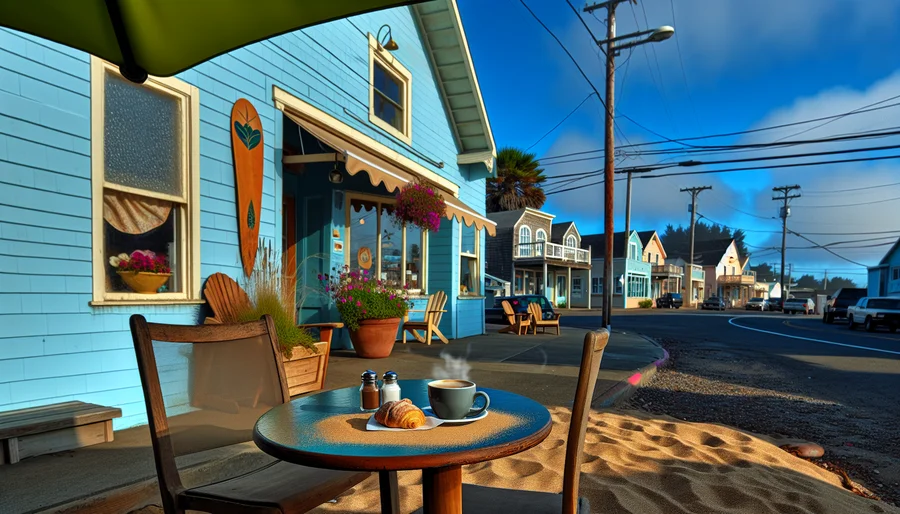
Croissant & Co on Venice Avenue serves French-style pastries, coffee, sandwiches, and light lunches. Expect counter ordering or casual café service in a compact room. A pastry and coffee may cost about $, while a full meal can reach $$ per person.
Go early to avoid the late-morning rush and find a wider bakery selection. Use a public parking space nearby, then begin your downtown walk after breakfast.
Burgundy Square Cafe suits visitors who want a traditional breakfast or lunch with table service. The menu focuses on familiar café dishes and substantial portions. Expect a casual atmosphere and a cost of roughly $ to $$ per person.
Winter breakfast and lunch periods can bring a wait. Arrive outside the main rush for a calmer meal. Reservations usually matter less than an early arrival and a flexible schedule.
Casual Treats and Family-Friendly Food
The Soda Fountain of Venice serves burgers, sandwiches, ice cream, and old-fashioned desserts. Its nostalgic dining room works well for families and groups seeking a casual stop. Plan on about $ to $$ per person.
Tables can fill at lunch or after nearby events. You can also use it as a quick ice cream stop between shops. Expect more noise and movement than you would find in a wine bar.
Before joining a restaurant waitlist, ask for an estimated seating time. You can browse nearby stores instead of standing in a crowded entrance. Keep in mind that some kitchens close between lunch and dinner.
Most downtown restaurants take cards, although payment policies can change. Review current menus if anyone in your group has dietary restrictions. Ingredients and preparation methods may vary by season.
A Sit-Down Dinner on Venice Avenue
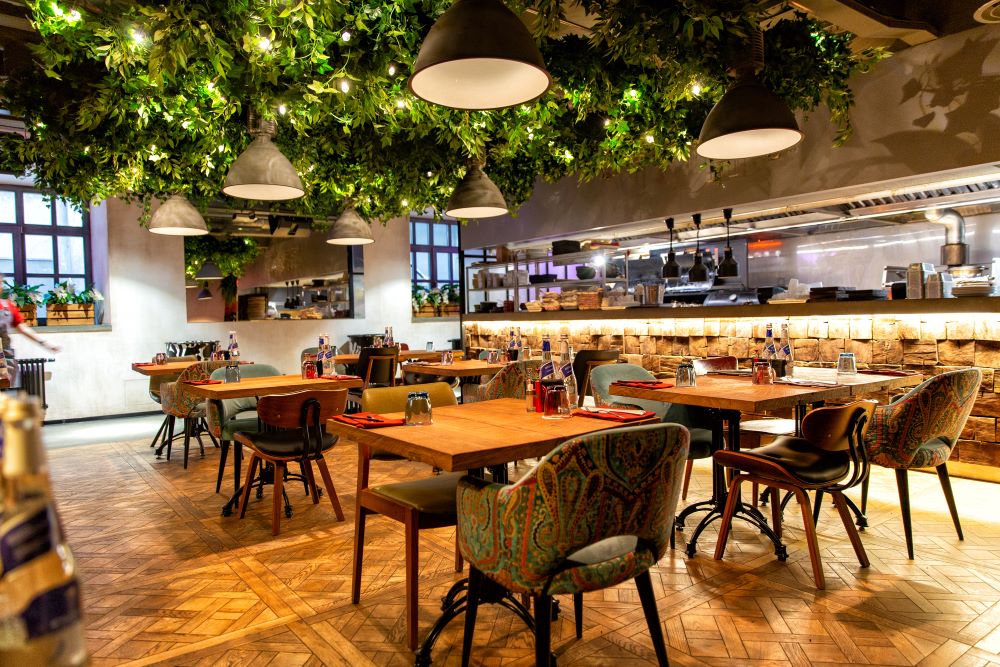
Café Venice Restaurant and Wine Bar offers American dishes, seafood selections, and wine in a polished but approachable room. Expect to spend about $$ to $$$ per person, particularly with drinks or dessert. Its downtown location makes it convenient before a theater performance or evening walk.
Reserve ahead for winter evenings and show nights. Nearby street parking may require patience during dinner hours.
Made in Italy offers Italian cooking in a lively Venice Avenue dining room. Plan on $$ to $$$ per person and reserve during high season, particularly on weekends. Because it provides full table service, allow enough time before a scheduled performance.
Check current menus, hours, and reservation policies before visiting either restaurant. Some downtown businesses shorten their schedules outside the winter season.
Visit the Downtown Venice Farmers Market
The Downtown Venice Farmers Market generally operates on Saturday mornings. Vendors sell produce, prepared foods, baked goods, plants, crafts, and locally made products. The market draws both residents and visitors into the central district.
Construction and city events can affect the market location. Check current information before selecting a parking area. Arrive near opening for cooler weather and the strongest produce selection.
Parking beside Venice Avenue becomes difficult on market mornings. Public lots and side streets offer better odds if you can walk several blocks. Bring sun protection, a reusable bag, and cash as a backup.
Prices range from a few dollars for a snack to higher amounts for crafts or larger food purchases. Many vendors accept cards. Dogs may struggle with warm pavement, crowds, food, and tight spaces, even when market rules permit them.
Parking, Restrooms, and Getting Around
Downtown Venice offers free on-street spaces and public parking areas behind or beside the commercial blocks. Time limits vary by location. Always read the sign beside your space instead of assuming you can park there all day.
The closest spaces fill during winter, Saturday markets, lunch hours, and major performances. Drivers who arrive before midmorning usually avoid the longest search.
Centennial Park provides the most convenient public restroom stop in the central district. Maintenance and event schedules can occasionally affect access. Downtown remains compact enough for most visitors to explore without moving their car.
Marked crossings connect the main blocks, but traffic can remain steady. Wait until drivers clearly yield before entering the street. Visitors with limited mobility should park near their highest-priority stop and shorten the loop during hot weather.
Choose the Right Season and Time of Day
Late fall through spring brings comfortable walking weather and larger crowds. Restaurants fill faster, traffic increases, and parking becomes more competitive. January through March feels especially busy at lunch, during markets, and before evening performances.
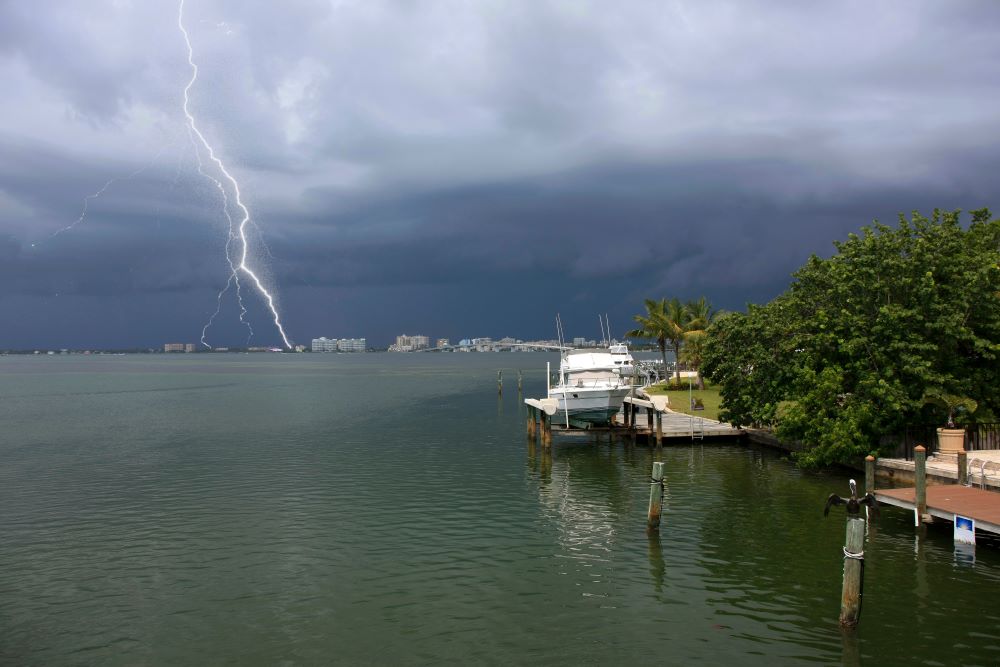
Summer brings lighter crowds and shorter restaurant waits. However, heat, humidity, and direct sun make midday walking difficult. Start early, carry water, and watch for fast-developing afternoon thunderstorms.
Atlantic hurricane season runs from June 1 through November 30, although most days follow normal travel routines. Monitor forecasts when a system develops and follow local instructions. Never drive through flooded streets or standing water.
Red tide rarely affects a downtown shopping walk, but it can disrupt a later beach visit. Airborne irritation and water conditions vary by location. Review current reports instead of relying on an older coastal forecast.
Extend the Trip to Venice Beach or the Train Depot
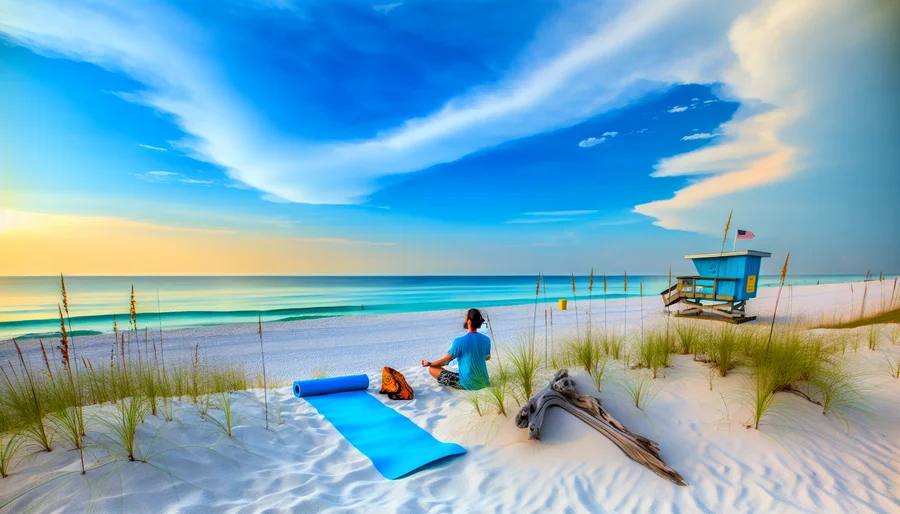
West Venice Avenue leads toward the Gulf, making Venice Beach a logical end-of-day stop. Some visitors may find the distance too long for a casual walk, particularly in summer. Driving or biking often makes more sense.
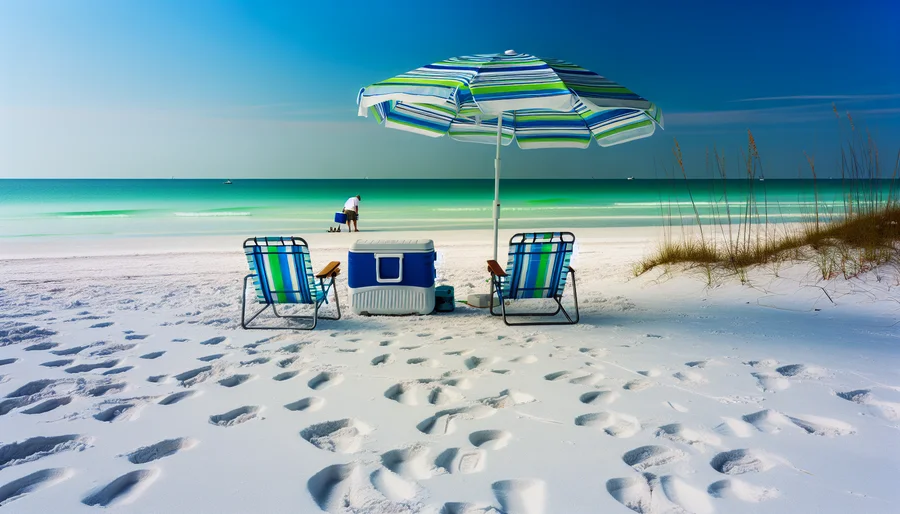
Beach parking can fill on mild winter afternoons and before sunset. The site includes restrooms, showers, and guarded swimming areas when lifeguards are on duty. Check flags, rip-current guidance, and posted warnings before entering the Gulf.
Sea turtle nesting season runs from May 1 through October 31. After sunset, keep lights low and aim them away from the sand. Fill holes, flatten sandcastles, and remove all belongings so turtles have a clear path.
The historic Venice Train Depot offers a different extension east of downtown near the Intracoastal Waterway and Legacy Trail. Tour access and opening hours vary. Even so, the area interests visitors who enjoy rail history, architecture, and bicycling.
Plan a Downtown Venice Day Without Rushing
Start with breakfast or coffee, then walk Venice Avenue before the sidewalks grow busy. Loop through Miami Avenue and pause at Centennial Park. Next, choose the museum or an art stop instead of forcing every cultural site into one visit.
Have lunch downtown, browse another block, and rest during the hottest part of the afternoon. Finish with an early dinner, a theater performance, or sunset at Venice Beach.
The district succeeds through its combination of planned streets, older architecture, practical parks, independent shops, and cultural venues. No single attraction needs to fill the entire day. The compact layout also makes downtown easy to understand on a first visit.
Use this historic downtown Venice Florida guide as a flexible framework rather than a strict checklist. Store hours, exhibitions, market locations, and performance schedules can change. Park once, look above the awnings, and leave time for whichever side street catches your attention.










Share This Page